The project Bridge is co-funded by the European Union. Views and opinions expressed are however those of the author(s) only and do not necessarily reflect those of the European Union or the Servicio Espanol para la Internacionalizacion de la Educacion (SEPIE). Neither the European Union nor the National Agency SEPIE can be held responsible for them. -- Number: 2025-1-ES01-KA220-HED-000359236 --
The BRIDGE Digital Museum brings together good practices, educational proposals and images that inspire reflection and action
This is a collection of photographs or images related to the selected social challenge. Each image is accompanied by a brief description or narrative explaining its meaning and connection with the challenge.
A.3. Educational gaps throughout educational trajectories, including higher education Show all
The images selected for Social Challenge 3 aim to depict situations related to the educational gaps throughout educational trajectories, including higher education. As we know, photography serves as a powerful pedagogical tool that invites deliberate observation and fosters contextual critical… Read more >>
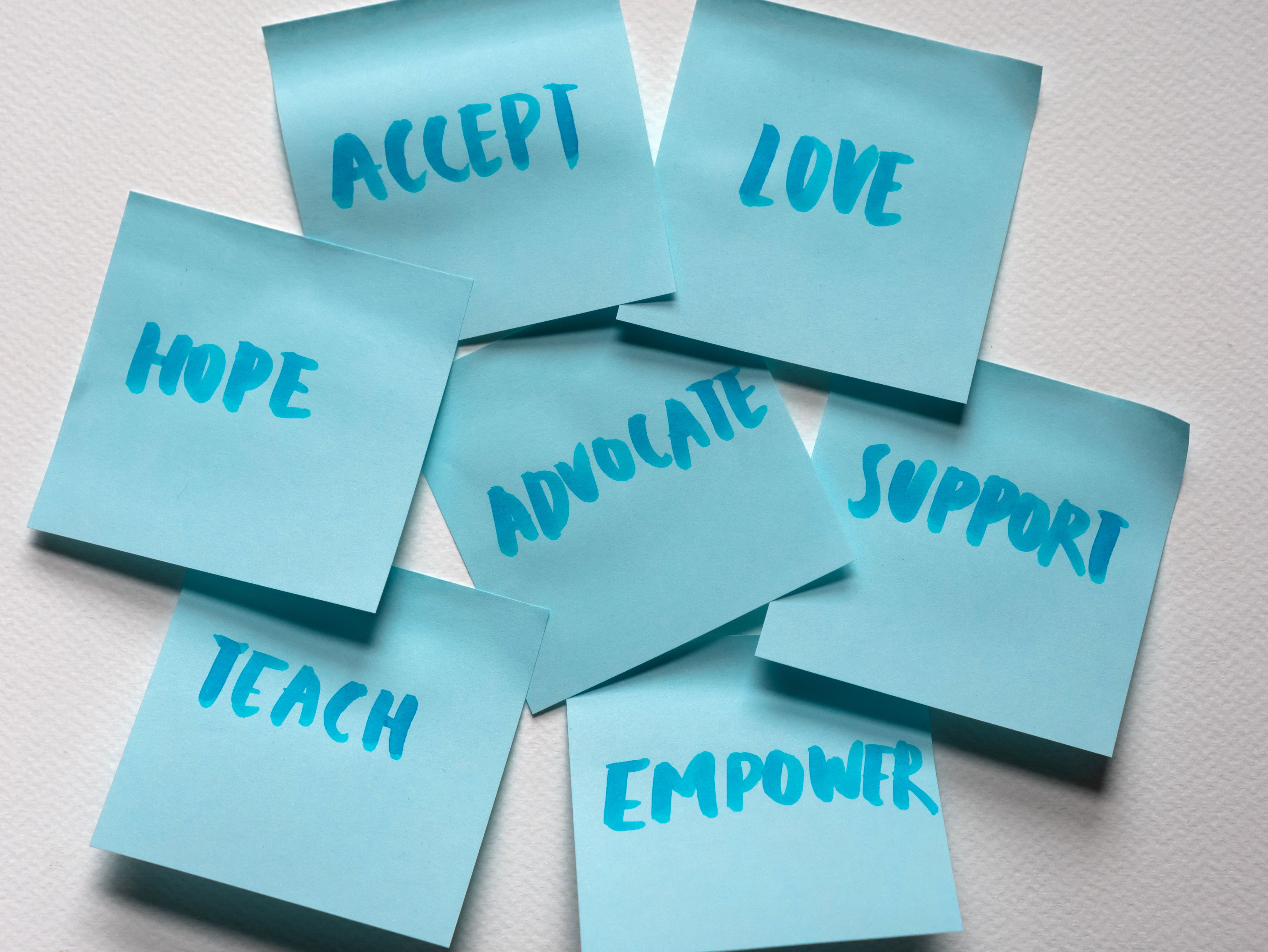
This image paints a vibrant picture of the core educational values that drive meaningful learning experiences. Acceptance, support, hope, advocacy, teaching, and empowerment are fundamental to a critical intercultural framework designed to foster genuine equity and inclusion within diverse learning spaces. By fully integrating these principles, educators create supportive environments where every student feels seen, valued, and encouraged to succeed regardless of their background. Acceptance builds a safe foundation where students can express themselves, while support and advocacy ensure that systemic obstacles are actively addressed rather than ignored. In addition, teaching grounded in empowerment equips students with the critical thinking skills, self-belief, and confidence needed to navigate complex social realities. Ultimately, integrating these interconnected values transforms the traditional classroom experience into an inclusive, community-driven effort. For challenge A.3., this image is appropriate since it highlights essential principles that promote a more equitable and inclusive higher education system.
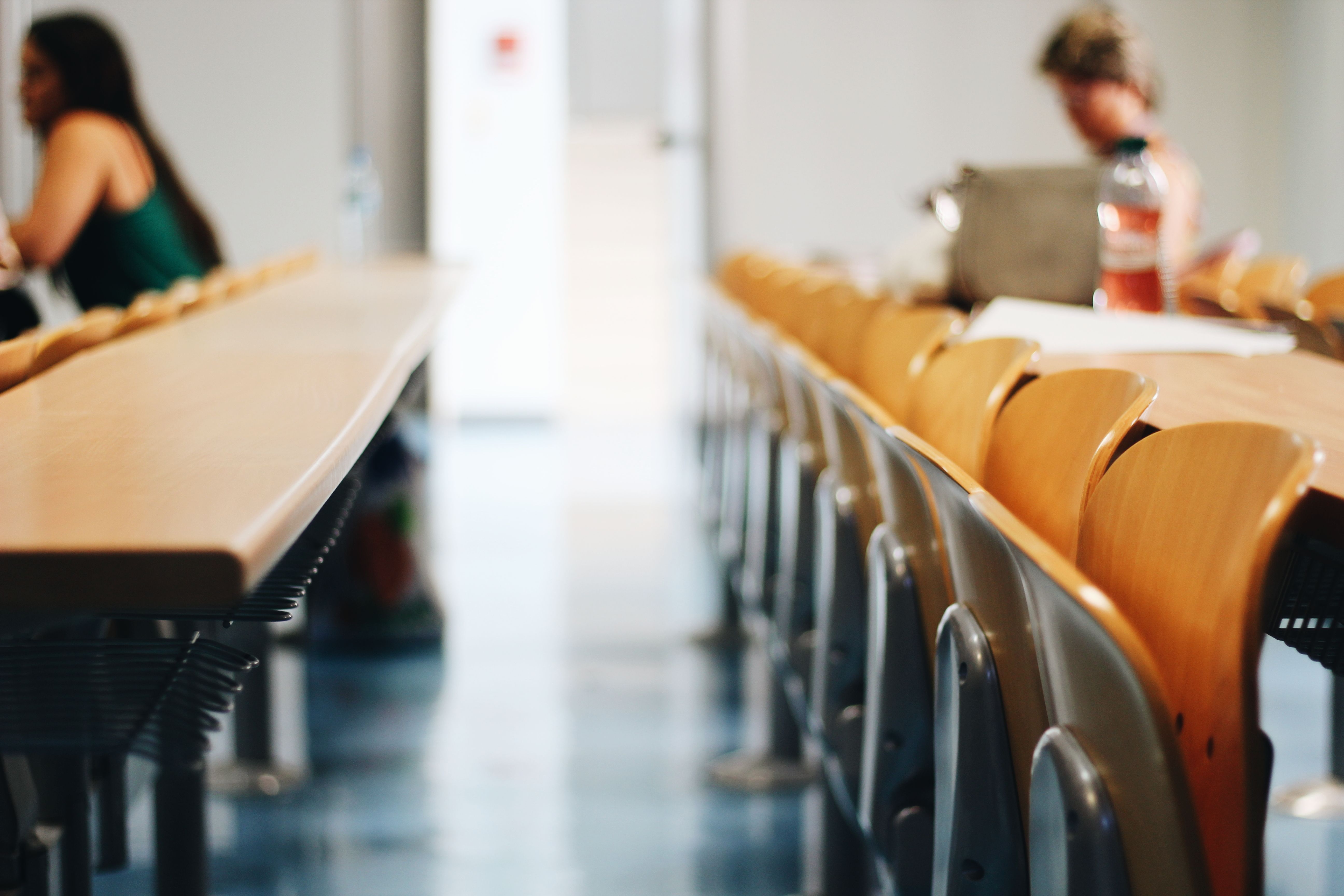
.. continue >>Transforming a bright, physically welcoming classroom into a genuinely empowering learning environment ensures that diverse learners gain the essential agency, structural equity, and open dialogue necessary to dismantle pervasive barriers. True empowerment goes beyond decorative inclusion; it demands that curricula reflect varied epistemologies, teaching practices adapt to diverse learning styles, and institutional power dynamics are actively questioned and restructured. When academic spaces prioritize inclusive pedagogy and democratic inquiry, students are encouraged to draw upon their unique lived experiences as valid, valuable sources of knowledge. This paradigm shift fosters mutual respect, critical consciousness, and authentic engagement across all disciplines. Ultimately, disrupting normative biases converts higher education into an equitable, transformative experience, equipping every student with the confidence and tools needed to overcome historic disadvantages and achieve long-term success. For challenge A.3., this image is appropriate since it highlights the necessity to have a diverse and intercultural classroom, which is essential to promote a more equitable and inclusive higher education system.
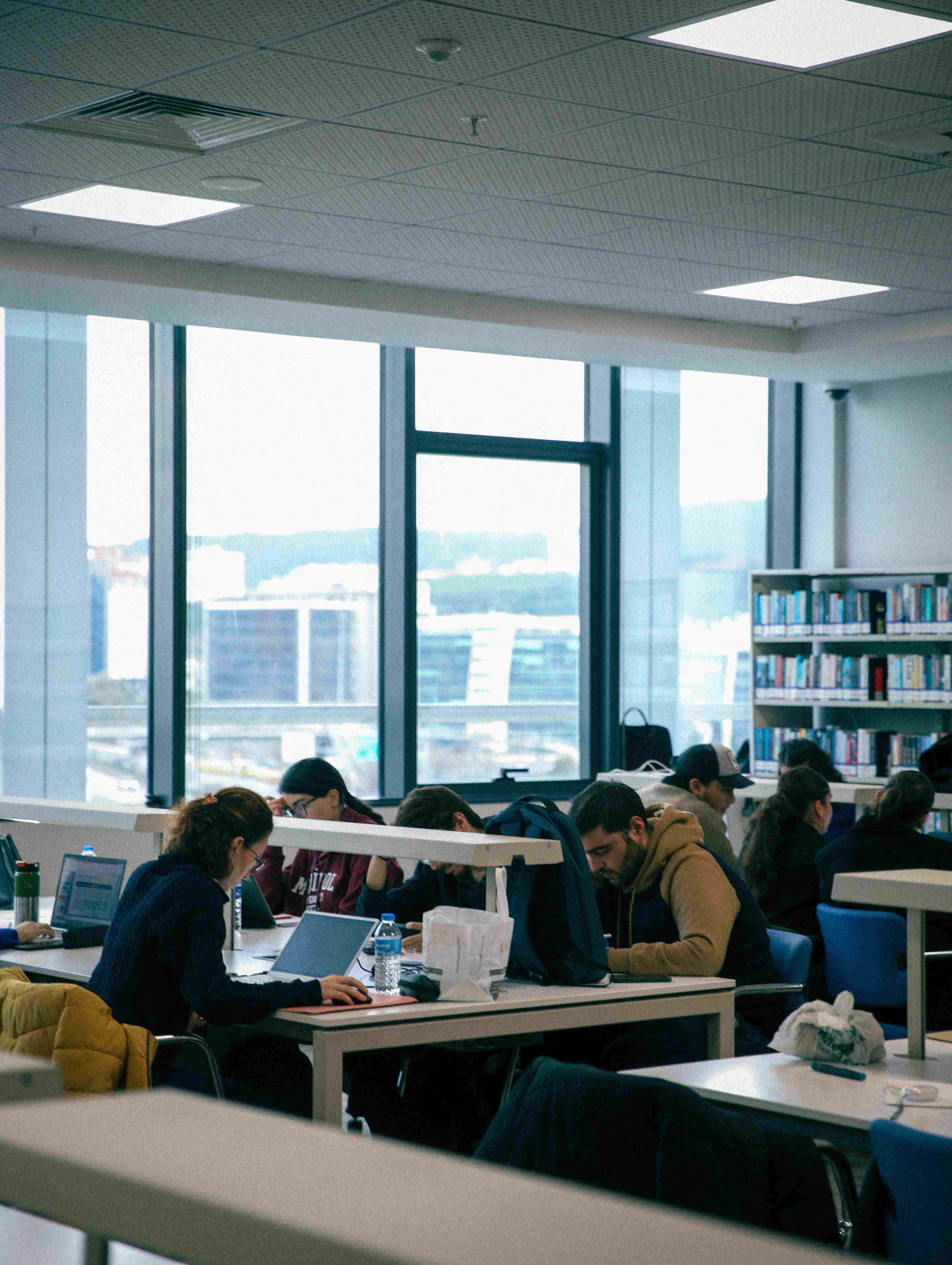
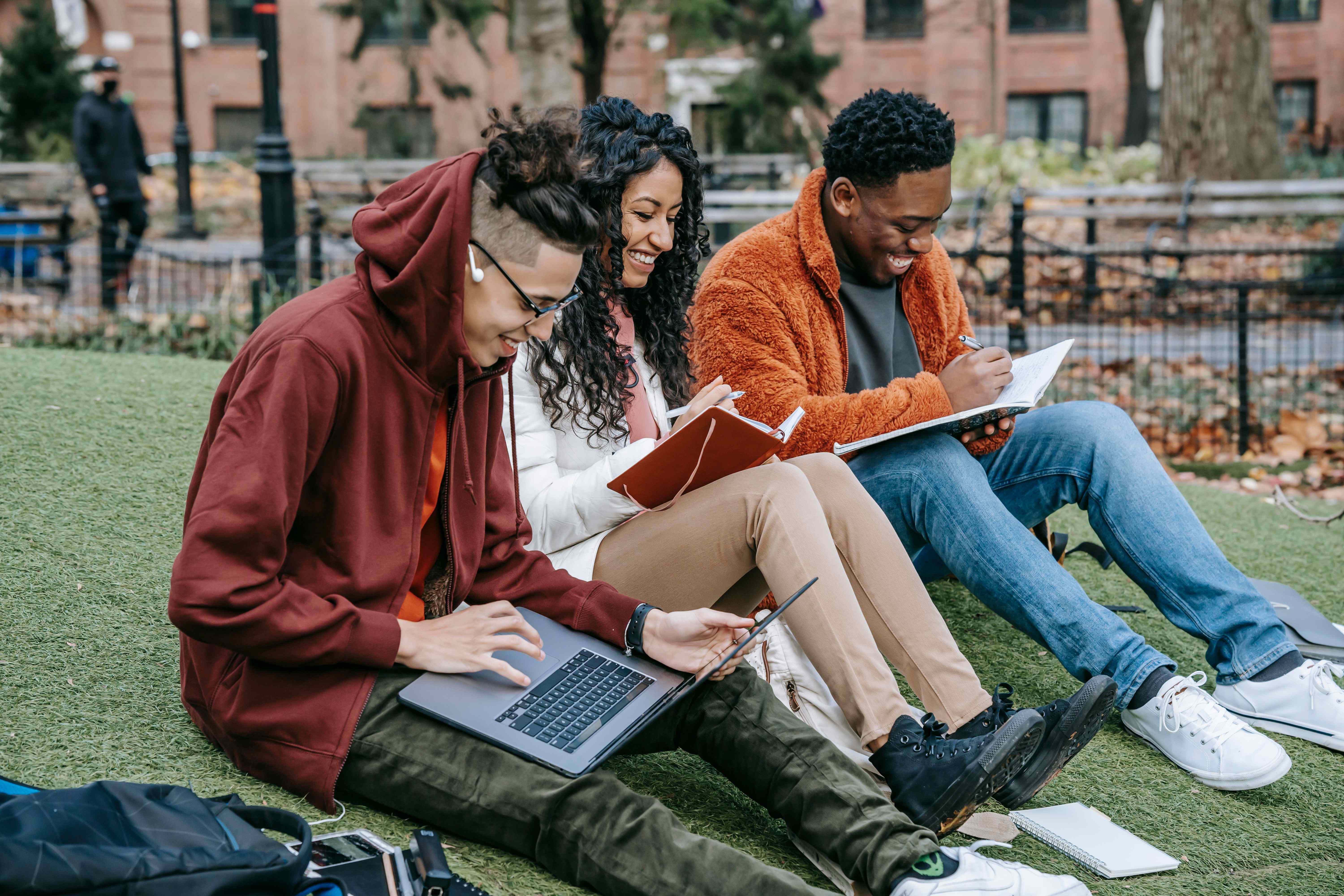
.. continue >>Creating student-centered study environments is essential for cultivating an active, engaging, and meaningful learning journey. By thoughtfully recognizing and valuing students' diverse background experiences, unique perspectives, and varied learning needs, educators can effectively spark natural curiosity, encourage active participation, and cultivate strong learner agency. When students feel that their unique identity is acknowledged and respected, they become motivated partners in their own education rather than passive recipients of knowledge. Viewed through the lens of a critical intercultural perspective, these inclusive educational spaces perform a vital function, as they proactively identify, question, and challenge longstanding structural barriers that historically limit opportunities for marginalized groups. By intentionally cultivating a deep sense of belonging, inclusive environments ensure that every learner feels valued, supported, and capable of achieving academic success. For challenge A.3., this image is appropriate since it highlights the necessity for study places that give students a sense of belonging, which is essential to promote a more equitable and inclusive higher education system.
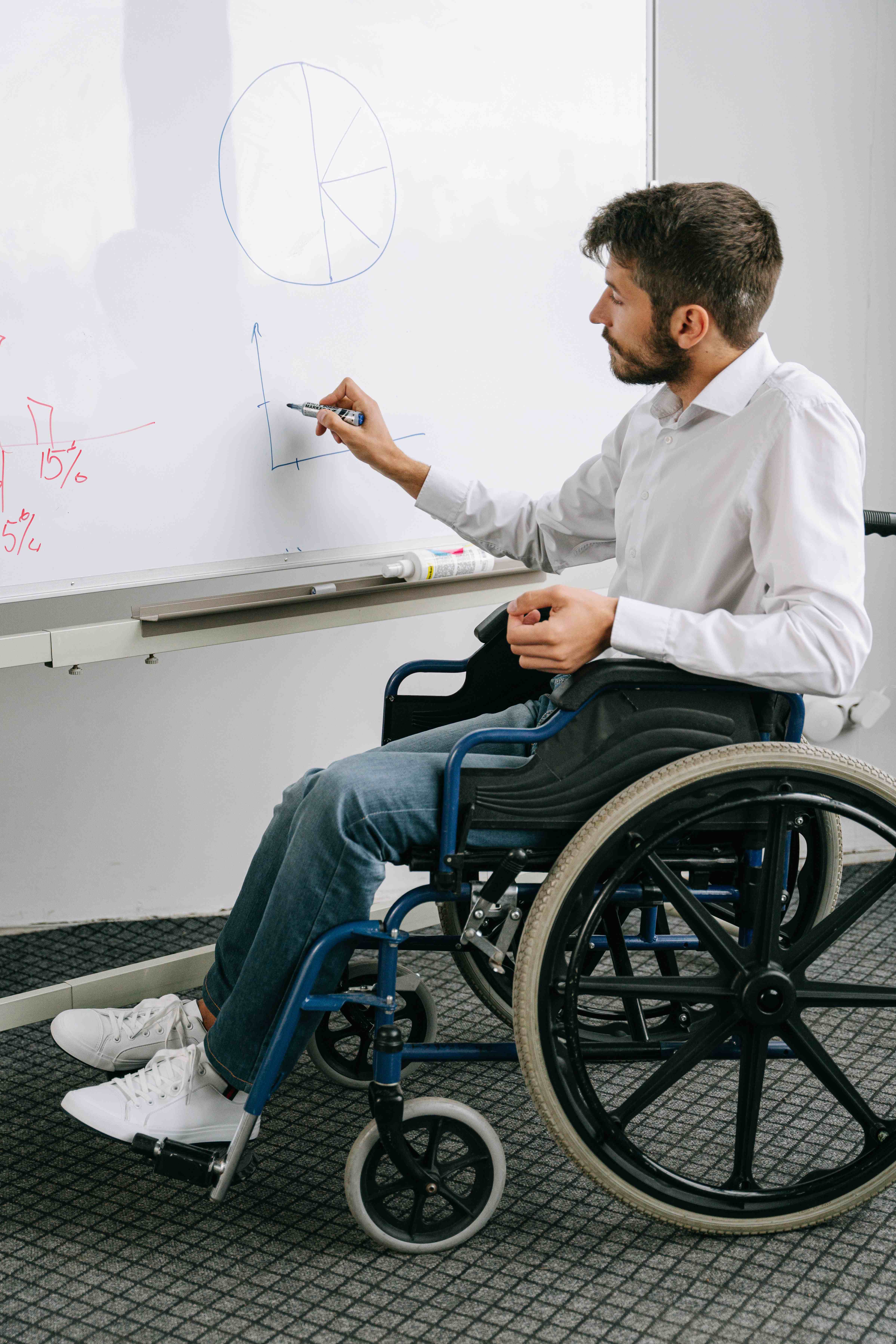
.. continue >>Fostering a truly accessible and inclusive learning environment requires a proactive, sustained commitment to challenging entrenched systemic barriers and deeply rooted institutional power dynamics. For higher education to fulfil its democratic promise, universities must deliberately move beyond passive ideals of diversity and actively work toward dismantling pervasive ableist and monocultural structures that continue to marginalize students and faculty alike. When academic institutions critically evaluate their physical spaces, digital tools, pedagogical practices, and administrative policies, they create space for authentic transformation. Eliminating accessibility hurdles empowers diverse learners and educators, allowing their unique perspectives, lived experiences, and contributions to enrich the entire scholarly community. This systemic shift fosters mutual respect, dismantles historical privileges, and ensures that equity becomes an active daily practice rather than an abstract ideal. For challenge A.3., this image is appropriate since it highlights the need for an accessible learning environment, which is essential to promote a more equitable and inclusive higher education system.
.. continue >>This image represents far more than superficial visibility. It embodies dynamic agency, shared empowerment, and mutual learning that actively work to disrupt entrenched educational inequities. This photograph illustrates authentic engagement, demonstrating how meaningful inclusion transforms standard educational environments into vibrant, collaborative spaces where diverse perspectives and voices are actively honoured and integrated into the broader pedagogical experience. Within higher education, genuine intercultural collaboration acts as a catalyst for profound personal and structural transformation. By deliberately challenging traditional academic hierarchies, questioning historical privileges, and removing systemic barriers, collaborative practices pave the way for a more accessible, inclusive, and equitable educational ecosystem. Students and educators alike move beyond mere coexistence, engaging in critical dialogues that foster deeper mutual understanding, shared responsibility, and intellectual growth across diverse communities. For challenge A.3, this image is appropriate since it highlights the need for diversity, which is essential to promote a more equitable and inclusive higher education system.
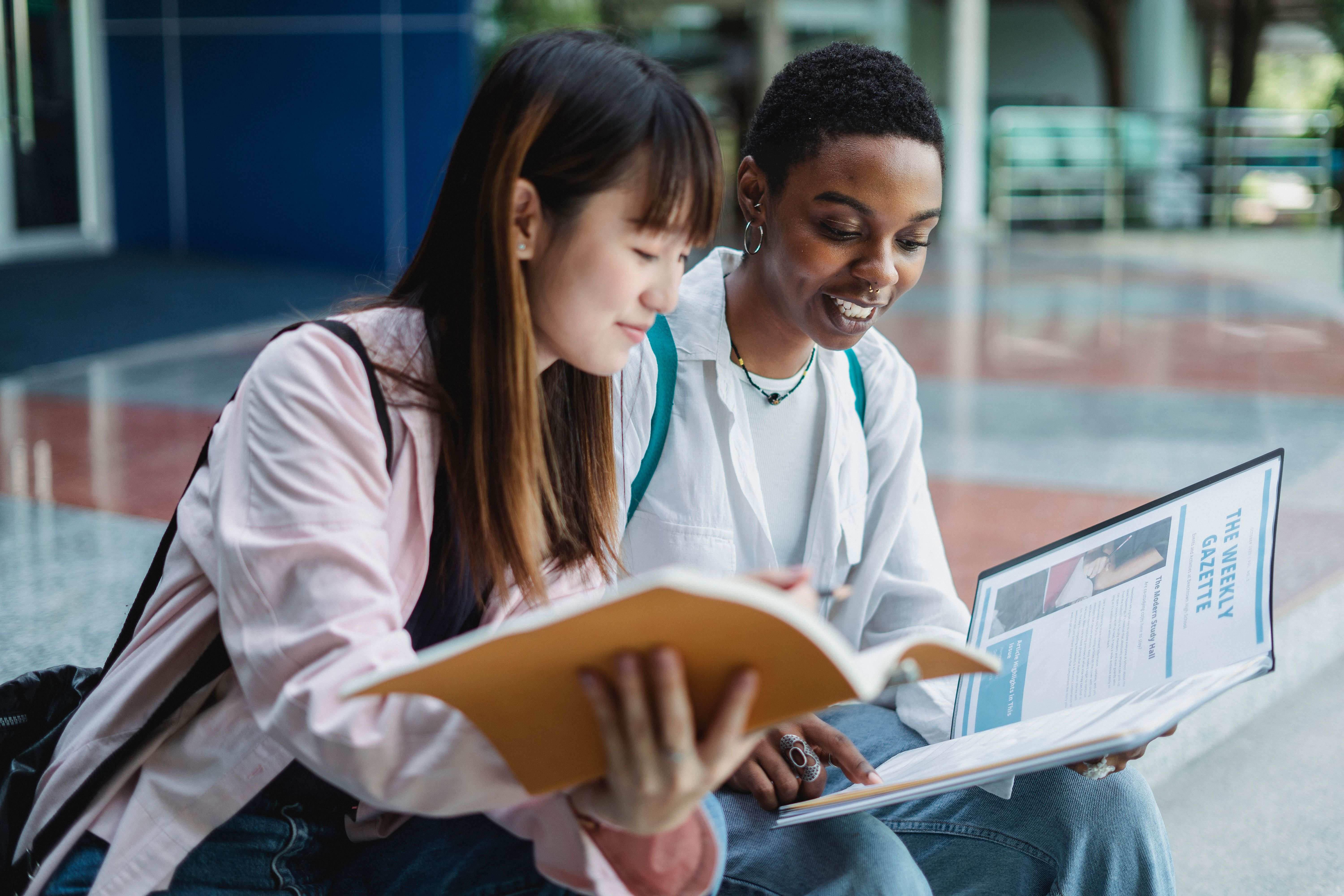
.. continue >>Cultivating informed global citizens through regular news engagement demands a robust application of critical interculturality to carefully analyse dominant media narratives, cultural biases, and underlying power structures. In an era dominated by rapid information flow and fake news, passive consumption often reinforces existing prejudices and systemic inequalities. Learners must be equipped to dissect how information is produced, whose voices are prioritized, and whose perspectives are marginalized within mainstream media discourse. By critically questioning information sources, interrogating hidden assumptions, and engaging in collaborative, cross-cultural dialogue, learners can effectively address critical educational gaps and foster advanced media literacy. This analytical approach encourages individuals to move beyond single perspectives and appreciate the nuanced complexities of global events and diverse lived experiences. Developing these critical evaluation skills transforms how individuals understand and interact with the world around them. Active media literacy empowers learners to challenge misinformation, dismantle hegemony, and actively transform global perspectives. For challenge A.3, this image is appropriate since it highlights the need for critical thinking, which is essential to promote a more equitable and inclusive higher education system.
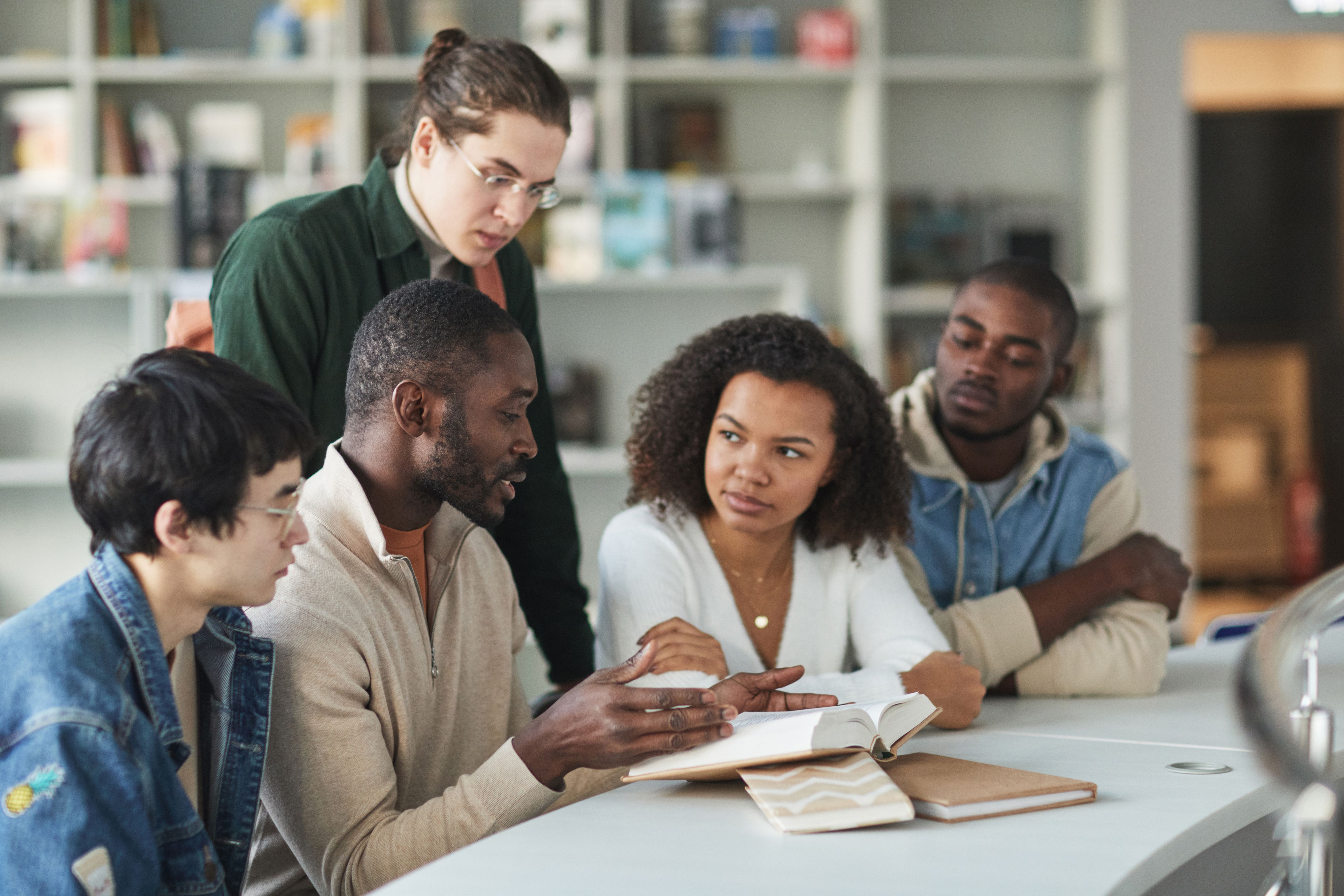
.. continue >>This image captures a dynamic, interactive moment of active knowledge creation among five diverse higher education students engaged in deep academic reflection. Far from mere passive cooperation, this collaborative dialogue represents an intentional, active embrace of multiple cultural perspectives and an inherent questioning of traditional academic boundaries. Through shared inquiry, respectful debate, and the synthesis of varied lived experiences, these learners work together to construct new understandings that challenge conventional teaching methods and traditional institutional hierarchies. By prioritizing inclusive group dialogue, the students actively dismantle persistent educational barriers, challenge structural inequalities, and forge more equitable, self-directed learning paths throughout their academic journeys. This collective approach to study transforms the educational space from a rigid structure into a responsive environment where agency, mutual support, and critical thinking thrive. For challenge A.3, this image is appropriate since it highlights the need for collaborative dialogue among diverse students, which is essential to promote a more equitable and inclusive higher education system.
.. continue >>Bridging the digital and educational gap for seniors requires a deliberate, compassionate commitment to dismantling ageist structural exclusion and pervasive technology inequities. In an increasingly digital world, older adults frequently encounter systemic barriers, such as inaccessible software design, stereotyping, and a lack of tailored educational resources. These obstacles undermine their autonomy, limit social connectivity, and inadvertently exclude them from full participation in higher education and contemporary society. Transforming these restrictive learning spaces begins by valuing intergenerational knowledge exchange and actively fostering digital agency. Recognizing older adults as lifelong learners with rich, valuable life experiences reframes the educational dynamic from passive instruction to mutual, enriching collaboration. Younger generations share digital skills, while seniors offer historical context, wisdom, and unique problem-solving perspectives, creating a dynamic learning ecosystem built on mutual respect and shared growth. Dismantling institutional barriers converts potential technological exclusion into equitable opportunities for personal development and social inclusion. For challenge A.3, this image is appropriate since it highlights the inclusion of an older generation into the higher education world, which is essential to promote a more equitable and inclusive higher education system.
.. continue >>A student experiencing emotional overload underscores the urgent need to address the intense systemic pressures inherent within modern, highly competitive academic structures. Too often, educational systems prioritize high-stakes achievement, standardized metrics, and relentless productivity at the expense of psychological well-being. This intense environment creates chronic stress, isolation, and anxiety, preventing students from reaching their full academic and personal potential. Recognizing mental health as a core equity issue allows educational institutions to challenge pervasive burnout cultures and reimagine traditional success metrics. Academic pressure rarely impacts students equally; marginalized groups often carry additional socio-economic burdens that exacerbate mental exhaustion. Acknowledging these intersecting challenges forces schools and universities to move beyond superficial self-care advice and confront the structural causes of academic distress directly. For challenge A.3, this image is appropriate since it highlights the critical role of psychological well-being in education, which is essential to promote a more equitable and inclusive higher education system.
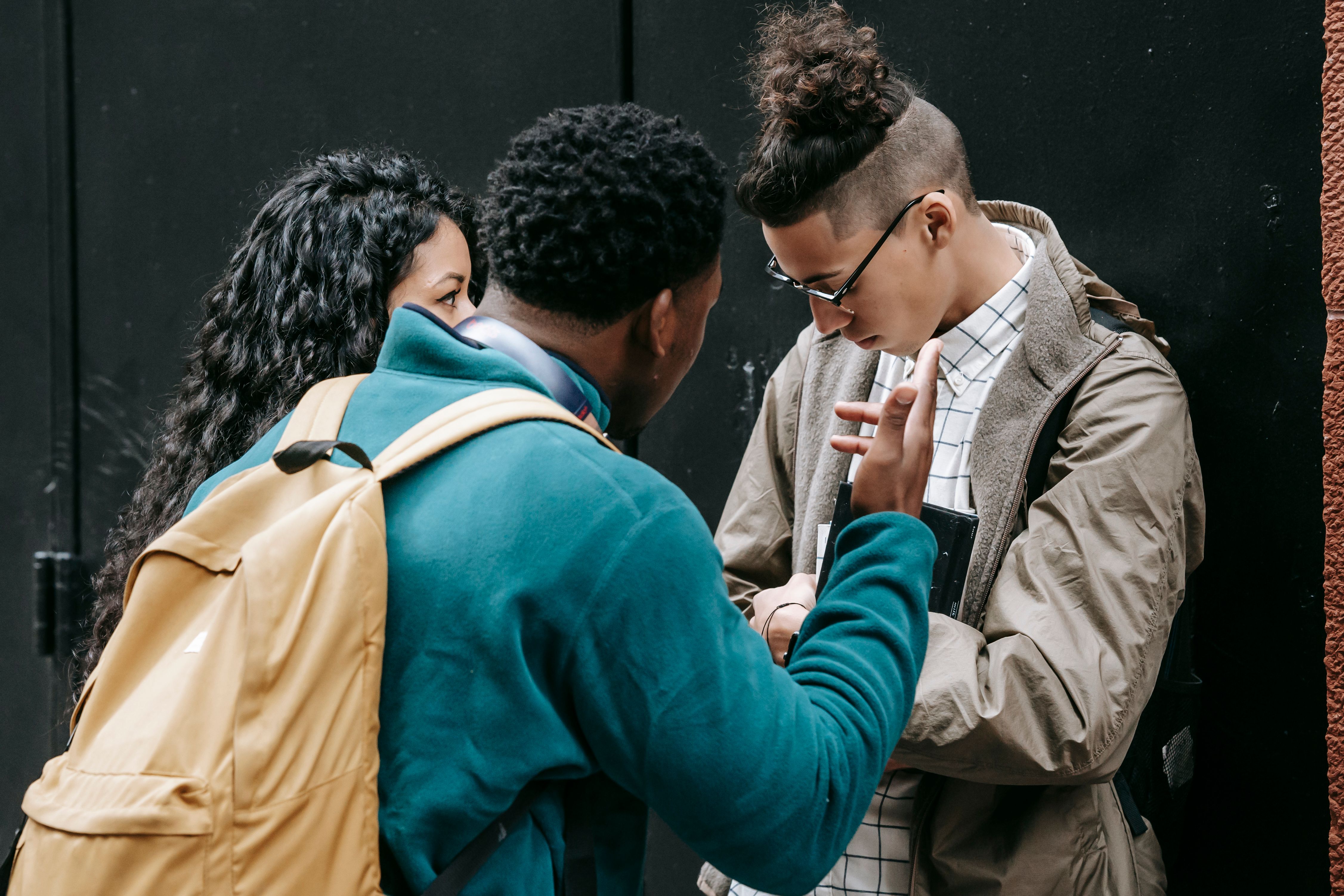
.. continue >>This image shows clearly how direct harassment and subtle intimidation create relational barriers, directly threatening a student's fundamental sense of belonging and essential capacity to learn effectively. Far from being an isolated or insignificant incident, bullying operates as a harmful power dynamic that destabilizes overall emotional well-being, systematically eroding the safe, supportive, and inclusive environment necessary for sustained academic growth. When fear and anxiety displace safety, students are forced to divert critical mental energy away from learning and personal growth toward self-protection and basic coping mechanisms. This ongoing hostility deeply conditions full classroom participation, hinders authentic social connection, and disrupts the continuity of educational trajectories, often leading to long-term academic disengagement and increased risk of dropout. Addressing these pervasive dynamics requires proactive institutional commitment, empathetic conflict resolution, and active community intervention. Educational institutions must establish strong protective frameworks, clear anti-harassment policies, and accessible mental health resources to actively dismantle abusive power structures. For challenge A.3, this image is appropriate since it highlights the crucial role institutions play in preventing and combating academic bullying, which is essential to promote a more equitable and inclusive higher education system.
.. continue >>