LEVEL 2. EXPLORE BEST PRACTICE
Introduction
The rapid internationalisation of Polish higher education has exposed gaps in support for international students and staff. They often face language and administrative barriers, complex legalisation procedures, unequal access to information, adaptation stress and social isolation. Universities may also lack coordinated diversity management, established intercultural dialogue mechanisms and staff adequately prepared to respond to the needs of increasingly multicultural academic communities.
- Coordinating organisation: Jagiellonian University in Kraków
- Participating countries: Poland (PL)
- Duration: 1 October 2018- ongoing
- BRIDGE Main Challenge: A.4. Fragmented management of cultural diversity and weak institutionalisation of intercultural dialogue
Sustainable Development Goals (SDGs)
- SDG 4: Quality Education
- SDG 10: Reduced Inequalities
Secondary Challenges
- A.1. Structural and intersectional inequalities that shape inclusion and social cohesion
The Challenge
What social issue does it address?
International students often face language barriers, complex administrative and legal procedures, limited access to clear information, adaptation stress and social isolation. At the same time, university staff may lack the intercultural competences and coordinated institutional mechanisms needed to support a diverse academic community, ensure equal access to services and foster a sense of belonging.
Why is it important?
The practice is important because it helps international students navigate university life, access essential information and services, and overcome isolation. It also equips staff to respond to cultural diversity, strengthens intercultural dialogue and creates a more welcoming, equitable and inclusive academic community.
How does it contribute to the BRIDGE Challenge?
The practice contributes to the BRIDGE Challenge by replacing fragmented support with a coordinated approach to cultural diversity. Through multilingual guidance, staff training, peer support and intercultural activities, it promotes dialogue, equal access, mutual understanding and lasting institutional inclusion.
How does it work?
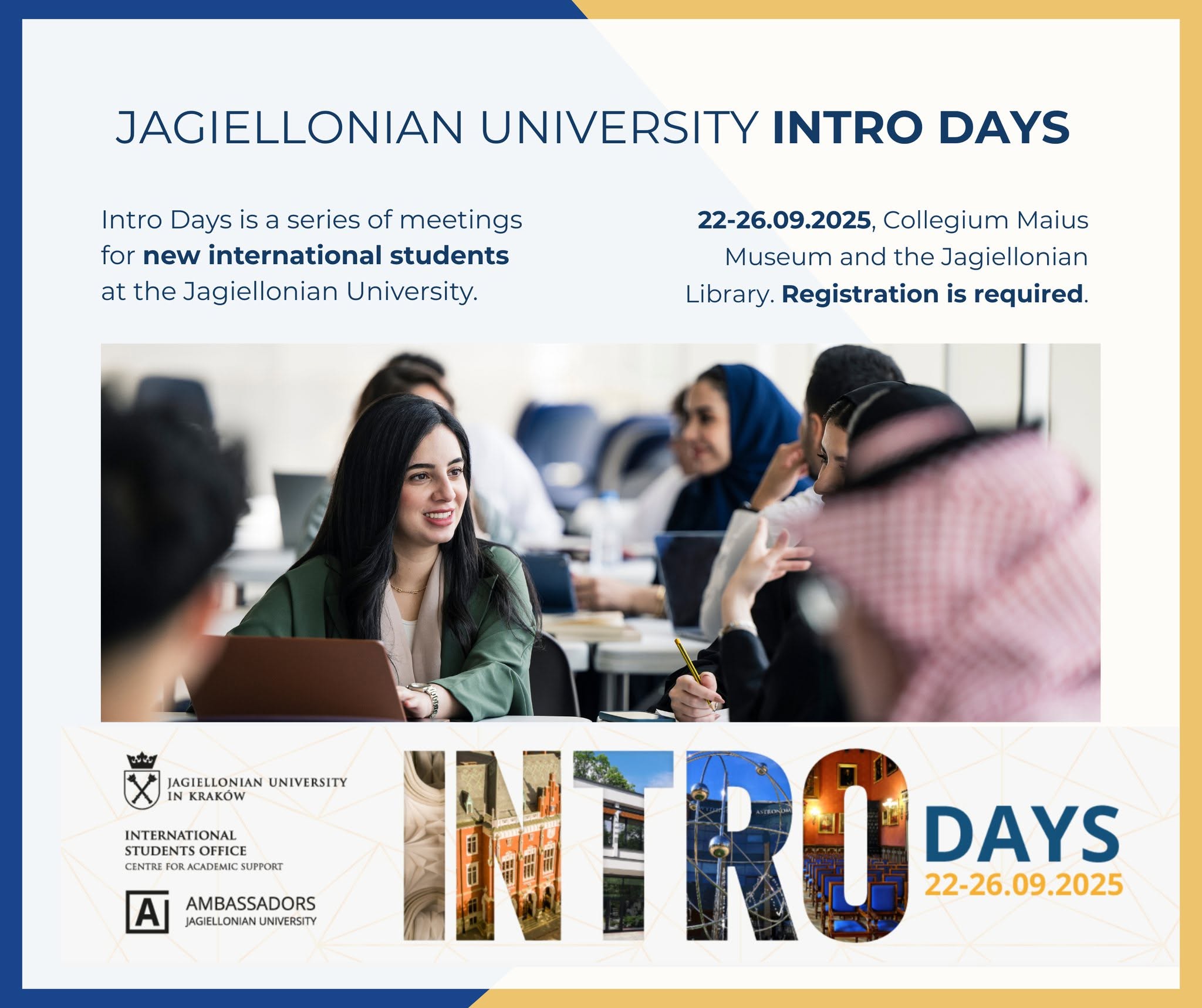
The practice combines coordinated services for international students with training for university staff. Students receive multilingual guidance, legalisation and administrative support, onboarding through Intro Days, peer assistance from Student Ambassadors and opportunities to join cultural events. Staff develop the skills needed to work effectively in a multicultural academic environment.
What might inspire you?
Ideas for adaptation
- Use student journeys to explore barriers faced by newcomers in higher education.
- Role-play university situations to practise inclusive and intercultural communication.
- Map the support services international students need at each stage of study.
- Compare multilingual materials to identify gaps in access to information.
- Design an inclusive orientation programme for students from diverse backgrounds
- Invite student ambassadors to share experiences and facilitate dialogue.
- Use cultural events to challenge stereotypes and encourage mutual understanding.
- Develop practical solutions for making university services more inclusive.
Resources created
Per Aspera ad Astra Project Materials (Welcome to Poland at Jagiellonian University)
Digital publication
International Student Stories at JU. The videos use authentic student stories to help international candidates make informed study choices, present opportunities for academic and personal development, and promote an inclusive university community.
Teaching staff, Students, General Public
https://internationalstudents.uj.edu.pl/projekty/per-aspera-ad-astra
'Po polsku po Polsce' is a joint initiative connected with the Jagiellonian University (Welcome to UJ)
Online training
An online resource presenting opportunities for international students to learn Polish. Teachers may use the resource to discuss how language competence affects inclusion, independence and intercultural exchange.
Teaching staff, Students, General Public
https://popolskupopolsce.edu.pl